Your battery should be a position in the market.
For most California commercial buildings, yes: battery storage pays. A commercial battery typically covers its cost through demand-charge savings alone, and the same battery earns more when its idle hours are dispatched into CAISO wholesale markets. MYNT designs, builds, and operates LFP battery systems end-to-end: one contract from engineering through 25 years of operations.
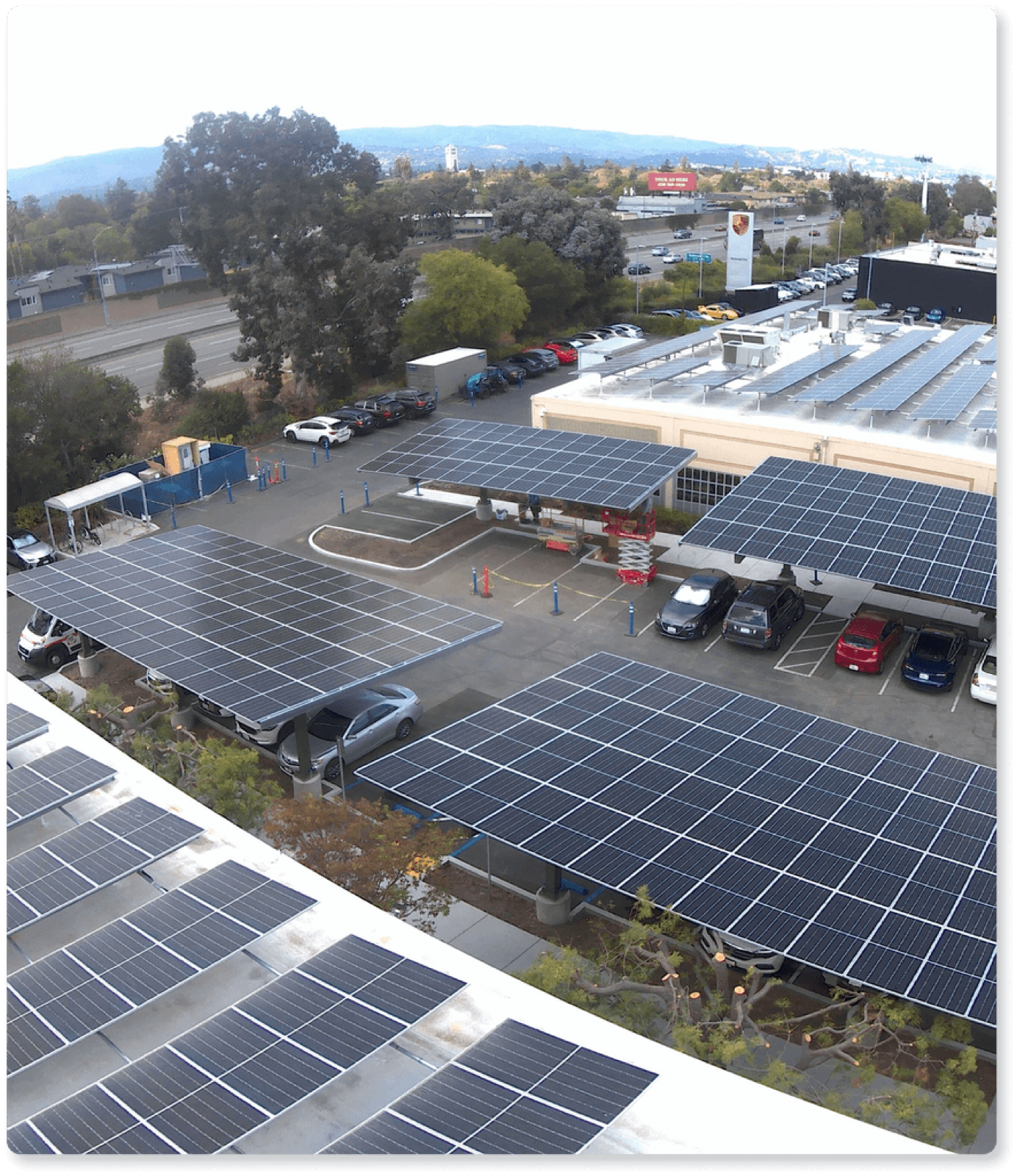
Is battery storage worth it for a commercial building?
Your battery probably pays for itself on bill savings, then spends most of the day just sitting there.
An idle battery works 22% of the year. A dispatched one, 52%.
Chase bill savings alone and utilization stays low. Put the empty hours to work in the wholesale market and they finally earn something.
That gap is the money you’re walking past.
Same battery. Same warranty. Different operator.
annual value per MW on autopilot: the bill savings you already keep.
actively managed with AMPS: savings + capacity payments + arbitrage + ancillary services.
the difference between a battery left on autopilot and one that’s actively traded.
Illustrative: 1 MW / 4-hour battery in CAISO, recent market conditions. Your analysis pins down the real numbers.
What does the battery do all day?
Charge when midday solar is nearly free. Discharge into the 5 to 8 PM peak so the meter never sees it. Bid the spread into CAISO on 5-minute dispatch. AMPS runs the position around the clock: you keep the savings floor, and take an accelerated share above it.
5-min dispatch · CAISO SP-15 · 20% reserve floor · 25-yr guarantees
A dispatch day · orange = evening peak discharge · illustrative shape
How safe are modern commercial batteries?
The fires you’ve read about were a 2018 design: early NMC chemistry in a repurposed turbine building. The industry moved: modern systems use LFP (lithium iron phosphate) in modular containers engineered to contain thermal events, and California code caught up with CPUC General Order 167-C on top of NFPA 855.
MYNT specifies LFP chemistry, modular enclosures, and current code on every system we build, and our C-46 license and in-house engineering mean the same team stamps it and stands behind it.
LFP chemistry · NFPA 855 · CPUC GO 167-C · CA C-46
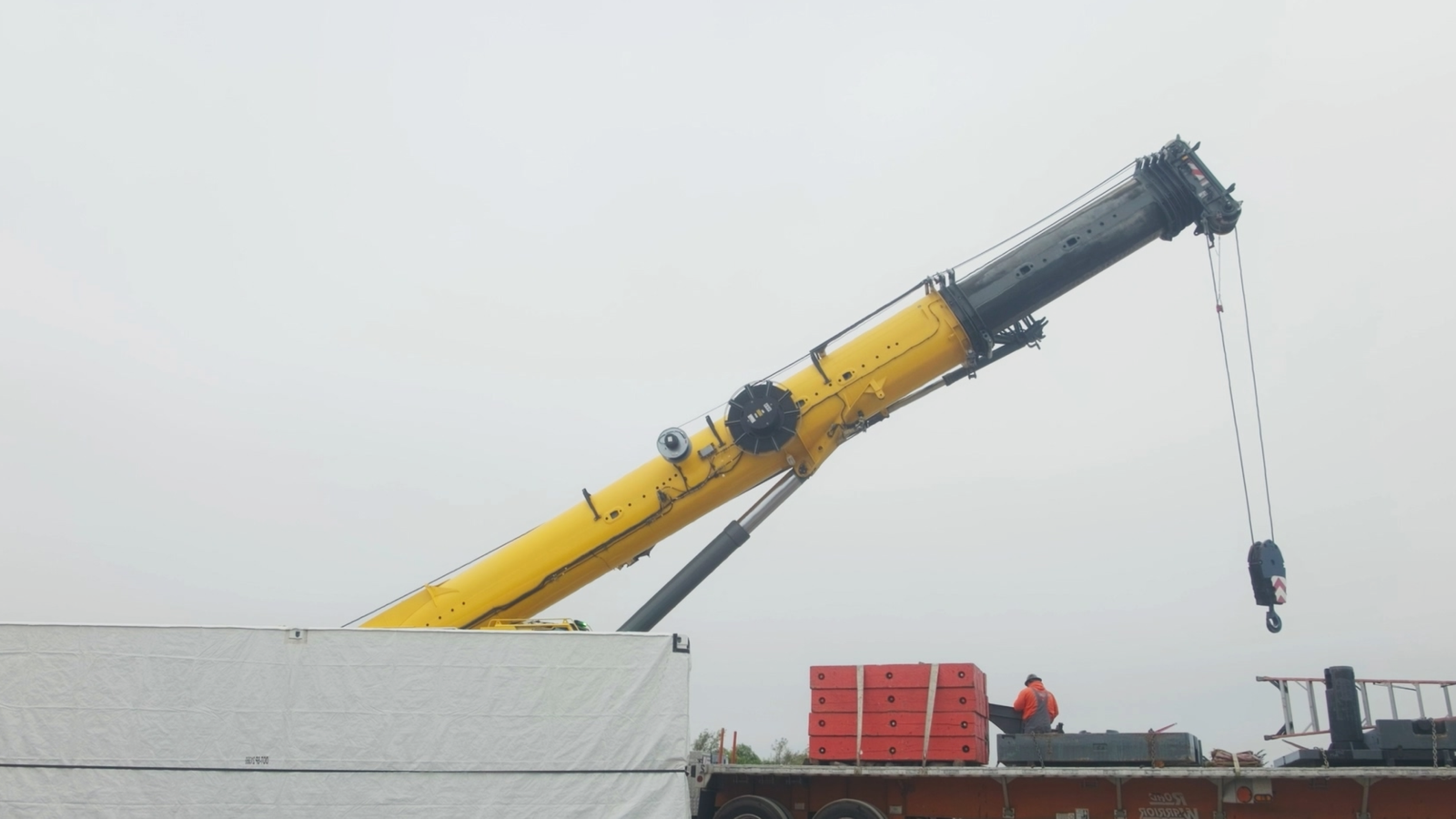
Where we’ve already built it.
Common battery questions.
Will this affect my existing bill savings?
It won’t. Your behind-the-meter setup always gets first call on the battery, and we only work with whatever’s left after that. The demand-charge and self-consumption savings you rely on don’t budge.
What does it cost me?
There’s no upfront cost and nothing new to install. We’re paid out of the new revenue we bring in, which is the only way we make anything on this.
Does it affect my battery warranty?
Your warranty stays intact. We keep the battery well inside the limits your manufacturer sets for cycling, depth of discharge, and temperature. Those limits are built straight into how we run it.
Does my battery qualify?
Most likely, yes. Almost any grid-connected commercial battery in CAISO territory is worth a look, whether it sits behind the meter or in front of it. The analysis confirms it for your particular asset.
One contract.
Zero handoffs.
Start with a site walk →
Keep exploring: the Haven Avenue build, the payback on commercial solar plus battery, and how a battery rides through a blackout.